
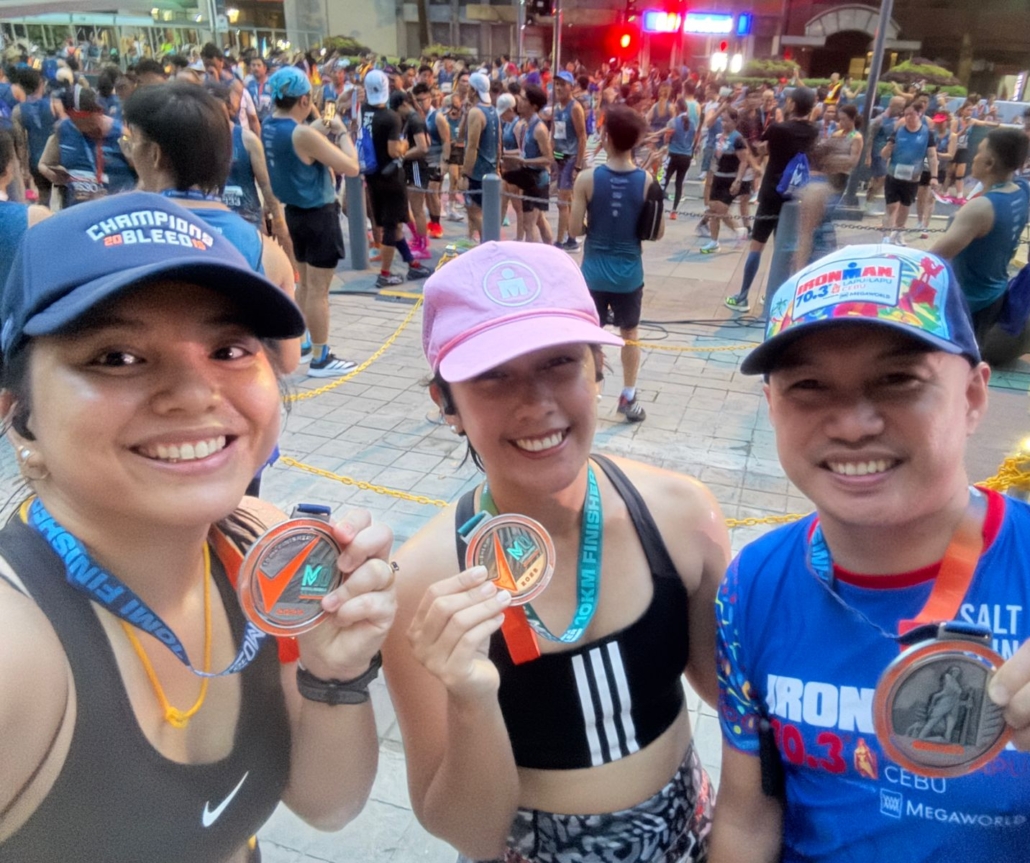
3 Tips for Newbies from a Running Coach in the Philippines
Running is my first love. Believe it or not, I was a late bloomer. I started running late in life. It all began during my final year in college and I used it as a way to vent out stress. It has given me so much joy, pain, and a sense of purpose. Fast forward to today, I’ve been a running coach in the Philippines for over a decade already and I have some wisdom to share.
Starting your running journey is exciting—but it can also feel overwhelming. I’ve been coaching a lot of runners and some of them approach me since they get so confused. With so much advice online, it’s hard to focus on what truly matters. The truth is, you don’t need to overthink. You just need the right fundamentals!
3 Tips from a Running Coach in the Philippines
1. Get the Right Shoes
Your shoes are the most important piece of running gear you’ll ever invest in. The wrong pair can lead to discomfort, poor form, and even injuries—especially for beginners whose bodies are still adapting to the impact of running.
How to choose the right shoes:
- Visit a specialty running store where they can analyze your gait.
- Look for shoes with the right cushioning and support for your foot type.
- Prioritize comfort over brand—every foot is different.
- Replace your shoes every 300–500 miles or when they stop feeling supportive.
A good pair of running shoes won’t make you fast in an instant, but they will make every step safer and more enjoyable.
2. Focus on Structure and Progression
One of the biggest challenges for new runners is doing “too much, too soon.” Running is a progressive sport—your bones, muscles, and tendons need time to adapt. You also need to build your aerobic base (i.e. Zone 2 running). Without a proper base, you’ll get tired easily, be more susceptible to cramps, and but yourself at risk to injuries.
Instead of random runs, follow a simple structure that helps you build capacity steadily.
Ways to structure your training:
- Pace yourself correctly. The goal is to run at a steady aerobic pace. This will build endurance and strengthen your base. Some can start with a run-walk approach until they get the hang of longer sets.
- Be cautious when you increase distance or intensity. This is where wisdom comes in. More is not always better. We need to give our body time to absorb the training. Being too aggressive is a recipe for disaster!
- Include rest or recovery days as well as lighter intensity workouts. By doing these “unloading” days, we can perform better during the harder workouts.
- Track your runs using an app or watch to monitor your progress. This will help you gauge your fitness level, track your progress, and give you added motivation to stick to the routine. This can be useful in case you get a running coach (in the Philippines or elsewhere) later on.
A structured approach not only prevents injury but also keeps you motivated as you see consistent improvement.
3. Don’t Neglect Strength Training
Running involves repetitive movement—and without strong supporting muscles, your body can break down quickly. That’s why strength training is one of the most effective tools beginners can use to run better and stay injury-free. Strength training also improves your ability to generate force, absorb impact, and maintain good form. In the long run, this allows you to get faster with less effort and fatigue.
Key areas to strengthen:
- Glutes (stabilize your hips and prevent knee pain)
- Core (improves posture and running efficiency)
- Hamstrings and quads
- Calves (reduces Achilles, Plantar Fascia, and shin issues)
Beginner-friendly exercises:
- Squats, lunges, planks, hip bridges, calf raises, Russian twists, hanging leg raises, etc.
- Aim for 2 short sessions per week—even 15–20 minutes will make a huge difference.
- Keep rest duration to a minimum but don’t skip it entirely!
When you combine running with strength training, you build a more balanced, resilient body that can handle increased mileage and faster paces over time.
Final Thoughts from a Running Coach in the Philippines
Starting your running journey doesn’t have to be complicated. Being a running coach in the Philippines, I’ve encountered different types of athletes but a few things remain consistent. Focus on the foundational stuff, and everything follows! With the right shoes, a structured plan, and consistent strength training, you’ll set yourself up for long-term success—not just a few good weeks. At the end of the day, we want to stay in this sport, and remain active for a long time. In order to do so, we have to train smart, stay the course, and embrace the grind.
Just remember, in order to stay motivated, you have to celebrate small wins, stay patient with your progress, and enjoy every mile. Your best running days are ahead of you!


Leave a Reply
Want to join the discussion?Feel free to contribute!